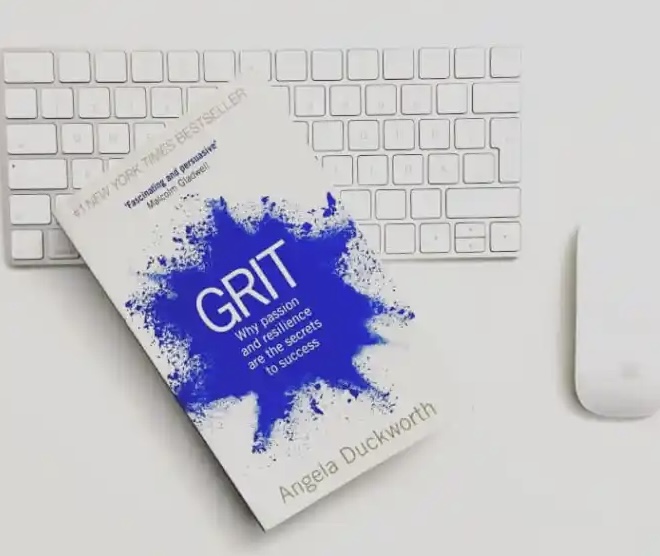
Book Review of Grit by Angela Lee Duckworth
by: Ludinata Misnun
Grit: The Power of Passion and Perseverance by Angela Lee Duckworth delves into the key element for success—grit, which comprises deep passion and long-term perseverance. Duckworth, a renowned psychologist known for her research on mental resilience, argues that grit is more significant than talent in determining success.
This book draws from Duckworth's studies on successful individuals, from athletes to entrepreneurs, showing that those who persistently pursue goals despite failure and challenges tend to succeed in the long run. Duckworth also discusses how grit can be cultivated through self-discipline, dedication, and mental training.
One of the most compelling aspects of the book is the idea that failure should not be seen as discouraging but as a crucial step in the learning process. Duckworth emphasizes that anyone can develop grit if they continually strive for self-improvement.
Overall, Grit offers invaluable insights for those looking to understand the secret behind long-term success. The book provides inspiration and practical guidance on how to build mental resilience to achieve goals in both life and career.
The book consists of several key chapters that explain how grit contributes to success, far more effectively than natural talent alone.
Here’s a more detailed look at the book’s content:
1. Grit vs. Talent
Duckworth starts by highlighting the difference between talent and grit. While many believe that talent is the key to success, she emphasizes that talent alone does not lead to success without consistent effort. Grit, she explains, is the combination of deep interest in a field and the determination to continue pursuing it despite difficulties.
2. Passion
One of the main components of grit is passion. Duckworth asserts that long-term achievement requires a profound interest in what we do. However, this passion doesn’t develop overnight; it grows over time through dedication and self-discovery. She presents various examples of individuals who succeeded not just because of talent but because they truly loved what they did, like Olympic athletes or successful entrepreneurs.
3. Perseverance
The second essential part of grit is perseverance—the ability to keep pushing forward even when faced with failure or significant challenges. Duckworth stresses that successful people aren’t those who never fail, but those who don’t give up easily. This includes accepting failure as part of the learning process and continuously working to improve oneself.
4. Growth Mindset
Duckworth also discusses the concept of a growth mindset, introduced by Carol Dweck. Individuals with a growth mindset believe that their abilities can improve through effort and learning. They see failure not as the end, but as an opportunity to grow. This mindset is closely related to grit, as both emphasize the importance of sustained effort and dedication.
5. Effort Overcomes Failure
A central theme in the book is that consistent effort eventually outweighs natural talent. Duckworth presents the formula: Achievement = Effort x 2, where effort is the most significant factor for success, more than talent alone. This chapter reminds readers that effort doesn’t just mean hard work but also learning from mistakes and improving weaknesses.
6. Building Grit
Duckworth not only explains what grit is but also offers practical advice on how to cultivate it. This includes fostering self-discipline, having clear long-term goals, and surrounding oneself with supportive people. She also emphasizes the importance of family, teachers, and community in helping individuals sustain their passion and perseverance.
7. Grit in Education and Business
The book also explores how grit can be applied in the fields of education and business. In education, Duckworth argues that systems that focus too heavily on test results may not provide enough room to build grit. Instead, she advocates for students to face more realistic challenges and learn to overcome failure. In business, she points out that successful leaders are those who take risks and are willing to keep working even after initial failure.
8. Real-Life Examples
Duckworth enriches her book with numerous stories of successful individuals who exhibit grit. For example, she shares the story of Usain Bolt, who persevered despite frequent injuries and major setbacks before achieving Olympic success. These stories provide inspiration and reinforce the idea that consistent effort is the primary key to long-term success.
Conclusion
In conclusion, Grit emphasizes that success is not about talent alone, but about having deep passion and perseverance to keep moving forward despite obstacles. Duckworth offers readers a realistic yet hopeful view of how anyone, regardless of background, can achieve something extraordinary if they possess grit. This book is especially relevant for those looking to achieve long-term goals, whether in academics, business, sports, or personal life.
For students, professionals, or anyone looking to enhance mental resilience and increase their chances of success, Grit provides clear and practical guidance on how to achieve bigger goals in life.
++++++
Notes:
This book was highlighted in a speech by YBhg. Dato' Prof. Dr. Ahmad Farhan Mohd Sadullah, Vice Chancellor of UPM, during the Vice Chancellor's Address at the UPM New Student Oath Ceremony for the 2024/2025 session on Friday, October 11, 2024, at the Sultan Salahuddin Abdul Aziz Shah Alhaj Cultural and Arts Center, UPM Serdang.
Date of Input: 11/10/2024 | Updated: 12/10/2024 | ludinata
MEDIA SHARING